About
BLOG

Interested in a little light reading?

Our blog is continually updated with helpful educational information, advises, research and insights—all in the name of helping you level-up your color and appearance needs. Grab a drink and enjoy our stories!

Explore Our Stories

"分光計と分光光度計の主な違い"

Read More

Explore Our Products

VIEW MORE

"Choosing the Wavelength of Spectrophotometers"

Read More

"Key Differences Between Spectrometers and Spectrophotometers"

Read More

"Best Spectrophotometer for Measuring Transmittance Color"

Read More

"What Does Calibrating a Spectrophotometer Do?"

Read More

"What Different Types of Color Spectrophotometers Are There?"

Read More

"How to Operate a Spectrophotometer"

Read More

分光計と分光光度計の主な違い

Posted on Dec 06, 2025 by HunterLab

「分光計」とは、電磁放射が物質とどのように相互作用するかを測定する装置の総称である。分光光度計は、典型的な人間の視覚に相当する波長範囲にわたって、試料によって反射または透過する光の量を測定するように設計された特定のタイプの分光計です。どちらも多くの産業において重要な品質保証装置ですが、それぞれに明確な目的と理想的な用途があります。それぞれの特徴や違いを知ることで、どのオプションがお客様のビジネスニーズに最も適しているかを判断することができます。

分光計とは?

この装置は、試料の特定波長内の電磁放射を定量化する。

最近の分光計のタイプには次のようなものがある:

  • 生化学者が有機分子の特性を評価するのに役立つ核磁気共鳴(NMR)分光計
  • 異なる波長の光の強度を測定し、試料の光学的特性を分析する光学分光計。
  • 試料の分子量を分析し、分子組成の特定に役立てる質量分析計

分光計の利点

分光計の利点は以下の通りである:

  • 感度: これらの高度なソリューションは、多くの元素や化合物の微量やサンプル内の微小な変動も検出することができます。
  • 汎用性: 分光計は、液体、固体、気体からのスペクトルを定量することができます。
  • 広いスペクトル: 光学スペクトロメーターは、紫外線や赤外線など、可視スペクトル以外の波長を測定し、定量化することができます。

分光計に最適なアプリケーション

これらのソリューションは、次のような多くの産業や用途で不可欠である:

  • 生命科学
  • 犯罪科学捜査
  • 材料特性
  • 汚染モニタリング
  • 宇宙探査
  • 水質
  • 農業分析

Posted in Instruments And Software

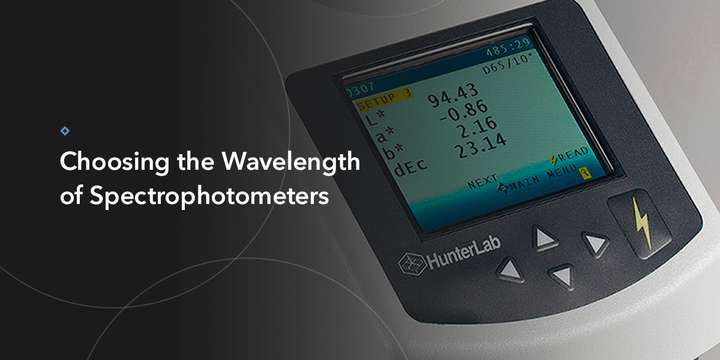
Choosing the Wavelength of Spectrophotometers

Posted on Dec 03, 2025 by HunterLab

現代の技術は、分光光度計の性能を、何十年も前の初期モデルと比較して大きく変えました。分光光度計は、幅広い産業分野のグローバルな研究、開発、生産に欠かせないものとなっています。複数の分光光度計がそれぞれ異なる役割を担っているため、最も望ましい結果を得るためには、正しい装置を選択し、それぞれの装置に最適な設定を選択することが不可欠です。

Posted in Instruments And Software

Key Differences Between Spectrometers and Spectrophotometers

Posted on Aug 13, 2025 by HunterLab

“Spectrometer” is a general term for any instrument that measures how electromagnetic radiation interacts with matter. A spectrophotometer is a specific type of spectrometer designed to measure how much light is reflected or transmitted by a sample across a range of wavelengths representing typical human vision. Both are critical quality assurance equipment in many industries, yet each has its distinct purposes and ideal applications. Exploring their traits and differences will help you determine which option best meets your unique business demands.

What Are Spectrometers?

This equipment quantifies the electromagnetic radiation within specific wavelengths of a sample.

Modern spectrometer types include the following:

  • Nuclear magnetic resonance (NMR) spectrometers that help biochemists evaluate the properties of organic molecules
  • Optical spectrometers that measure the intensity of light at different wavelengths to analyze the optical properties of a sample
  • Mass spectrometers that analyze a sample's molecular mass to help identify its molecular composition

Benefits of Spectrometers

Advantages of spectrometers include:

  • Sensitivity: These advanced solutions can detect even trace amounts of many elements and compounds and minute variations within samples.
  • Versatility: Spectrometers can quantify spectra from liquids, solids, and gases.
  • Wide spectrum: Optical spectrometers can measure and quantify wavelengths beyond the visible spectrum, such as ultraviolet rays and infrared light.

Ideal Applications for Spectrometers

These solutions are essential in many industries and applications, such as:

  • Life sciences
  • Criminal forensics
  • Material characterization
  • Pollution monitoring
  • Space exploration
  • Water quality
  • Agricultural analysis

Posted in Instruments And Software

Best Spectrophotometer for Measuring Transmittance Color

Posted on May 20, 2025 by HunterLab

Every material absorbs, reflects, or transmits light, which determines the color we see when looking at an object. Transmission refers to the light waves that pass through a translucent or transparent sample, and spectrophotometers provide quantitative measurements of that data. These devices make it possible to evaluate a sample's color scientifically and objectively, which is vital for ensuring color consistency in various applications. Spectrophotometer transmittance measurements enable better quality control and enhanced consumer perception of your products.

What Is Transmittance in a Spectrophotometer?

The definition of transmittance is the measured light that passes through a sample, meaning the light that is not absorbed or reflected. Three primary transmittance measurements include:

  • Diffuse transmittance (Td, n): This measurement is the ratio of the flux transmitted by a specimen to the incident flux, with the transmitted flux being measured at all forward angles except the regular transmission angle. When light is diffusely transmitted, its direction changes as it passes through the material, causing scattering.
  • Regular transmittance (tr, n): This measurement is the ratio of undiffused transmitted flux to incident flux. In other words, it is straight-through light.
  • Total transmittance (tt, n): This measurement is the ratio of the flux transmitted at all forward angles to the incident flux. Total transmittance is the sum of regular transmittance and diffuse transmission.

These values are essential to maintaining quality in products like beverages and edible oils. It's best to measure color with a spectrophotometer to capture more accurate information, as these devices provide exact quantitative data regarding the amount of light that passes through a sample. 

The transmittance formula is:

T = PT/P0

The values in this formula represent:

  • T: Transmittance
  • PT: The source's radiation power as it exits the sample
  • P0: The source's radiation power as it enters the sample

The resulting calculation is a ratio, comparing the light before it enters the sample to the light after it passes through it. A value closer to 1 means most light passes through, while lower values mean that less light passes through. 

What Is Percent Transmittance in a Spectrophotometer?

Percent transmittance displays the light that passes through the sample as a percentage rather than the ratio created by the above formula. You can get the value by multiplying the ratio by 100. 

A sample with 100% transmittance is transparent, allowing all light to pass through. Lower numbers indicate more translucence than transparency. At least 30% of the light must pass through the material for effective transmittance measurements.

The transmission percentage is also helpful for absorbance calculations. A commonly used absorbance formula is:

A = 2-log10(%T)

This formula determines the amount of light absorbed using the percentage of light that passes through the sample. 

Posted in Instruments And Software

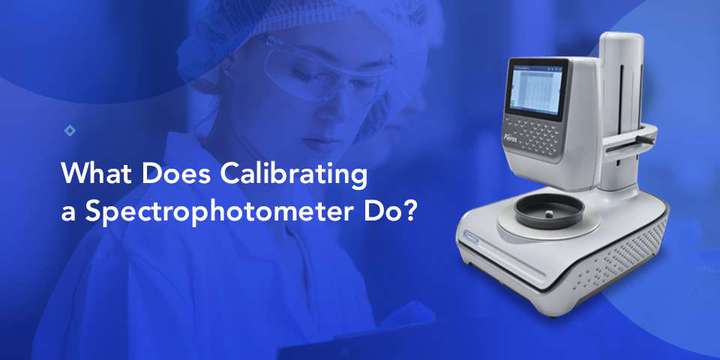
What Does Calibrating a Spectrophotometer Do?

Posted on May 20, 2025 by HunterLab

Spectrophotometers are powerful solutions for objectively and scientifically quantifying color data in products. These devices capture measurements for comparison against a known scale or index to ensure goods' color falls within acceptable tolerances, supporting higher quality. Calibration is a crucial factor in ensuring the equipment delivers — and continues to provide — precise, accurate color measurements.

What Is Spectrophotometer Calibration?

Calibration of a spectrophotometer is a process for adjusting the device's sensitivity to certain wavelengths of light. This precise adjustment helps verify that the unit is measuring wavelengths as intended and quantifying color correctly. It substantially differs from standardization, a process that end users perform in their facilities.

Posted in Instruments And Software

What Different Types of Color Spectrophotometers Are There?

Posted on Apr 22, 2025 by HunterLab

As the ideal solution for analyzing sample color, spectrophotometers are essential equipment for quality, research, and forensic labs worldwide. These powerful devices capture critical data about a substrate's properties to help quantify or categorize it accurately. Spectrophotometers contain a spectrometer, which detects and measures wavelengths using sensors to break down the energy into its components. They also include a light source that emits energy into the sample.

Different types of spectrophotometers exist, each with distinct functions and ideal applications, including color spectrophotometers that help ensure color and appearance quality and consistency. These are specialized solutions designed exclusively to measure color within the visible spectrum between about 360 and 780 nanometers — the wavelengths of light the human eye can perceive. Color spectrophotometers come in multiple styles and employ different optical configurations to provide precise color and spectral data.

What Is a Color Spectrophotometer Used For?

Color spectrophotometers are invaluable in any application where quantifying color according to a set of numerical values is crucial to quality and product appearance. Common spectrophotometer uses and industries include the following.

Food and Beverage Manufacturing

Appearance is an important quality indicator in buying decisions, and spectrophotometers help food manufacturers ensure their products fall within acceptable color expectations to entice consumers. Color can also signify a food's suitability for safe consumption and influence perceptions of flavor, freshness, and nutrition. Food manufacturers rely on spectrophotometers to quantify chromatic data for products ranging from snack foods to dairy-based items, fruits and vegetables, and edible oils.

Color plays an equally pivotal role in beverage production, where it helps establish the commercial quality of coffee and the clarity of bottled water according to industry scales.

Plastic Manufacturing

Plastics manufacturers face unique color challenges as industry regulations evolve. Natural yellowing during virgin production calls for the use of optical brighteners to overcome. With more and more governmental mandates for higher post-consumer recycled content, finding the ideal mix to achieve the desired color repeatedly is an ongoing issue for most. Color spectrophotometers help companies in the plastics industry identify and maintain the optimal balance needed for quality, compliance, and appearance.

Chemical Processing

Samples in the chemical processing industry range from opaque powders to translucent or transparent liquids, with some being substantially costly. Accurate chemical mixing is also paramount to safety. Color spectrophotometers enable professionals in this industry to ensure quality and safety by helping identify physical properties and adhere to strict tolerances.

Other Industries

Additional industries relying on color spectrophotometers for capturing chromatic and spectral data include:

  • Bio-pharmaceuticals
  • Building products
  • Paints and coatings
  • Textiles
  • Paper goods

Posted in Instruments And Software

How to Operate a Spectrophotometer

Posted on Mar 28, 2025 by HunterLab

Spectrophotometric solutions simplify the science of quantifying chromatic data for many industries. Manufacturers using a spectrophotometer benefit from higher product quality and consistency, increasing customer satisfaction. Accurately quantifying color and appearance starts with learning how to use a spectrophotometer correctly and implementing a standardized process.

1. Turn the Device on and Allow It to Warm Up

The first step in preparing a spectrophotometer for use is to turn it on and allow it to warm up so it can function correctly. Warmup times can vary depending on the model and manufacturer, but you'll generally want to wait 30 minutes. To protect the integrity of your outcomes, verify the exact time frame by consulting your owner's manual.

Posted in Instruments And Software
Prev
1
2
Next

Most Related Posts

  • 分光計と分光光度計の主な違い
  • Choosing the Wavelength of Spectrophotometers
  • Key Differences Between Spectrometers and Spectrophotometers
  • Best Spectrophotometer for Measuring Transmittance Color
  • What Does Calibrating a Spectrophotometer Do?
  • What Different Types of Color Spectrophotometers Are There?
  • How to Operate a Spectrophotometer
More

Follow us on social

  • LinkedIn
  • YouTube
  • facebook
  • X
  • instagram